
Recipes for Foraged Foods, Recipes for Making Cordials, Recipes for Waterbath Canning
Making Elderflower Cordial and Preserving it Through Pasteurisation
Jun
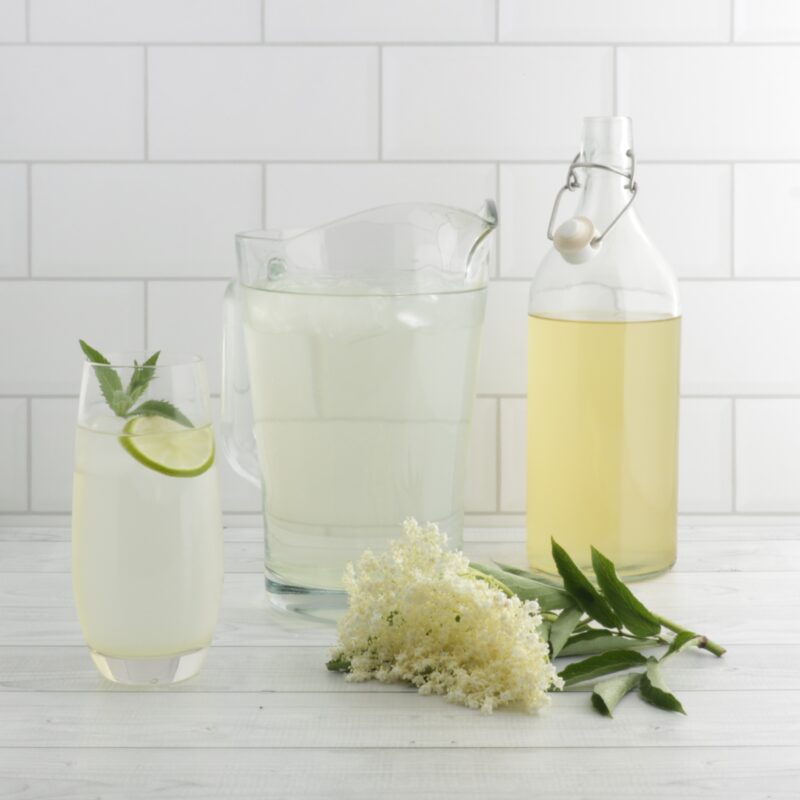
The fresh and zesty flavour of elderflower cordial is one of the great joys of springtime. The sadness comes when it is all finished. Fortunately by preserving elderflower cordial through pasteurisation it is possible to hold on to this little slice of spring through the depths of winter…
Foraging for Elderflowers
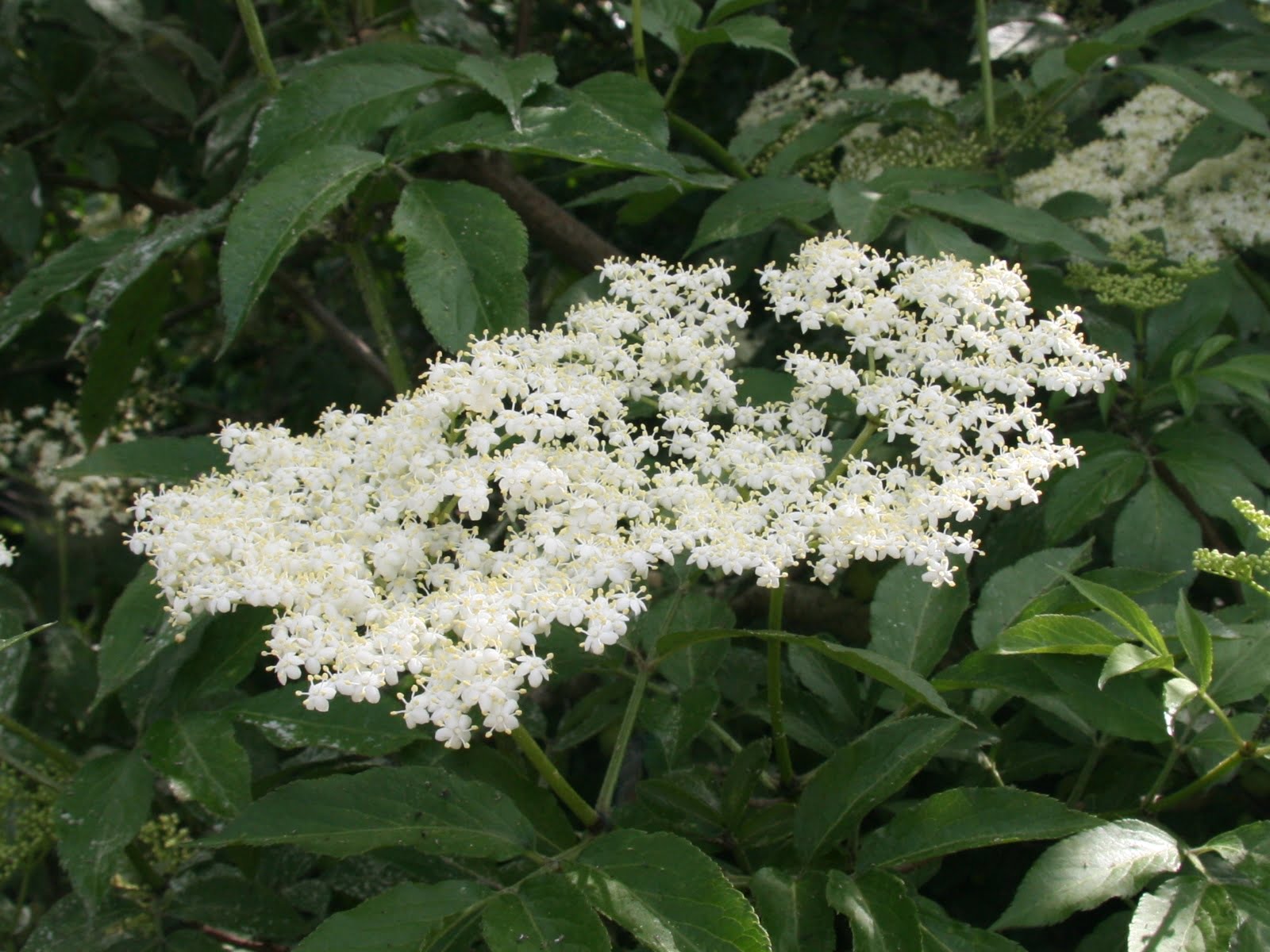
By the end of May the European elder Sambucus nigra begins to bloom. The abundant white clusters of sweet-scented flowers adorn elder trees in hedgerows, parks, woods and gardens across Europe and North America. Gathering the flowers for your cordial is the easiest part. The season is quite long and usable freshly opened flowers are available into July. Make sure you are gentle when collecting, much of the flavour is in the pollen which is easily lost through rough handling. It is also worth noting that flowers from different trees can have very distinct scents, from super sweet to to urine-like. This will affect the taste of your cordial so as you forage so make sure you smell the flowers before collecting them!
Elderflower Cordial Ingredients
This is my own recipe for elderflower cordial. It tastes great, is easy to make, and has the high acidity needed for safe pasteurisation and storage.
I like to make a lot of this and then preserve it for year-round storage, feel free to scale down the quantities for smaller batches. For making around 6 litres of elderflower cordial you will require:
- Around 120 elderflower heads.
- 4 litres of water.
- 4kg granulated sugar.
- 6 unwaxed lemons.
- 160g citric acid.
Elderflower Cordial Method
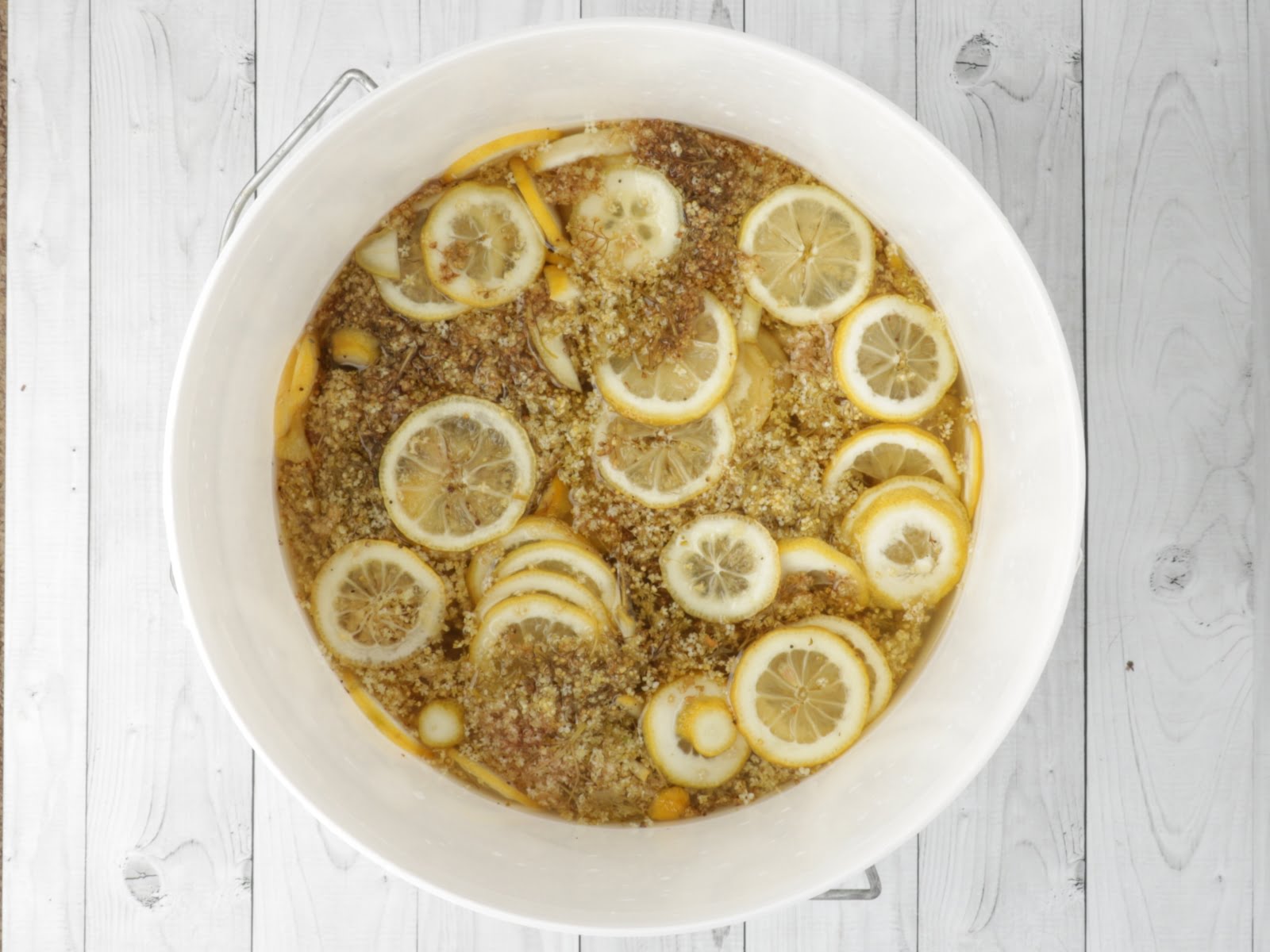
Making Your Elderflower Cordial
- With scissors gently cut away as much of the larger stalks from the elder flowers as practicable and discard. Set the flowers aside.
- Thinly slice the lemons and set them aside.
- On a hob heat the water in a large stock pot and add all the sugar until fully dissolved.
- Allow the resulting sugar syrup to cool to 75oC. This is important as higher temperatures will destroy beneficial Vitamin C and strip flavour from your elderflowers.
- Transfer the sugar syrup to a large food safe plastic or stainless steel vessel.
- Add the citric acid next and stir until dissolved. Take precautions to keep it away from your skin and eyes!
- Add the sliced lemons.
- Add your elderflowers last. There is a good reason for this as they will burn to brown if they make contact with the citric acid powder before it is fully dissolved.
- Stir, cover and allow to steep for 48 hours.
- Strain first through a sieve and then through several layers of muslin. Don’t squeeze the lemons when you do this or your cordial will be far too lemony.
Pasteurising Your Elderflower Cordial

You can enjoy your newly made cordial for a few weeks if simply refrigerated. Preserving elderflower cordial by pasteurising can extend the shelf life to several years. The pasteurisation technique used here is very similar to traditional water bath canning or bottling. However instead of bringing the water bath and cordial bottles up to 100oC we will raise the temperature to just 70–75oC. This will help maintain the qualities and flavours of the cordial that would be lost at higher temperatures.
Pasteurisation Equipment
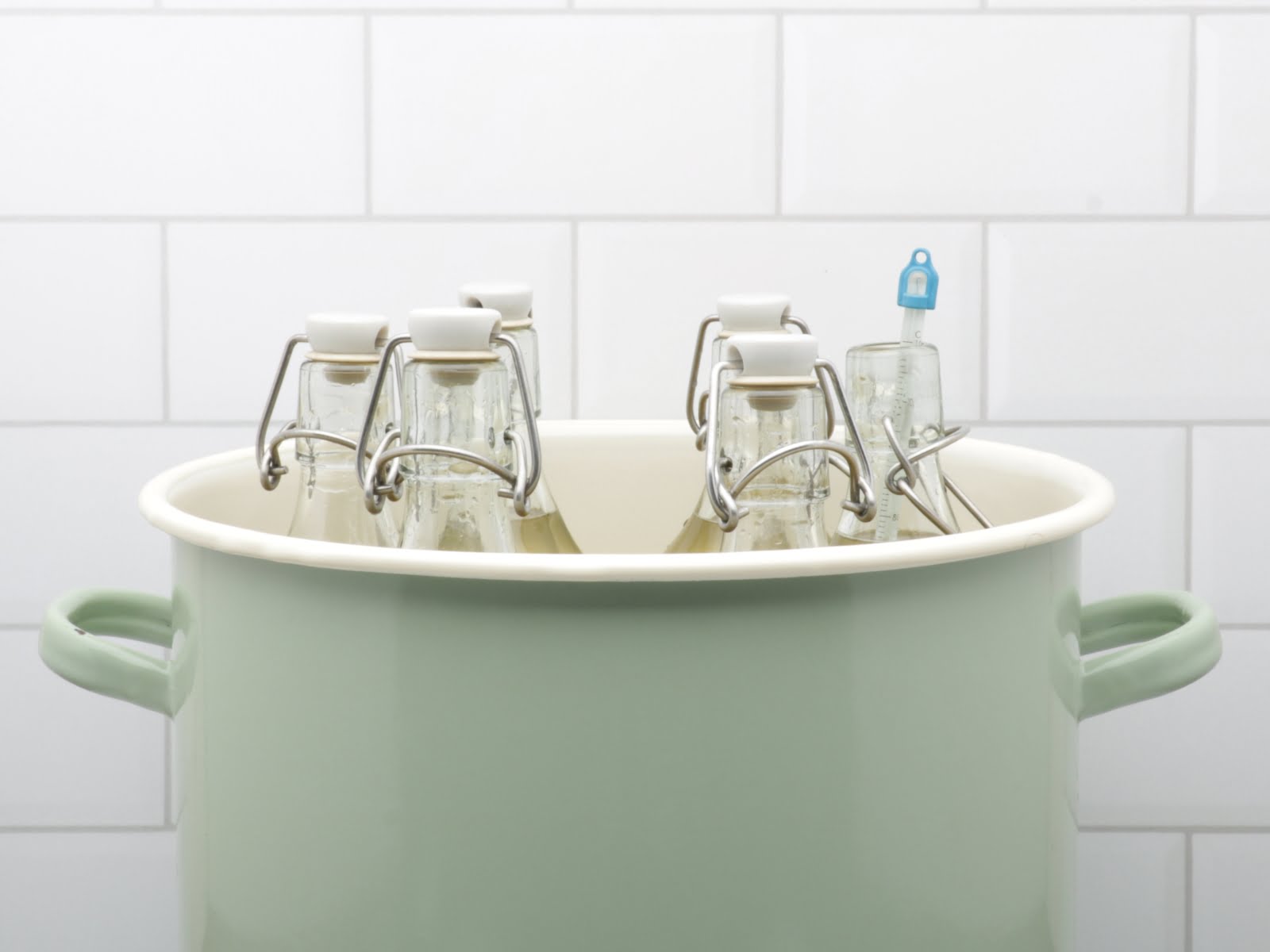
No specialist equipment is needed for preserving elderflower cordial by pasteurisation, you may well have everything needed laying about your kitchen:
- Large, deep stock pot or purpose built canner. I will refer to this in the method as a water bath.
- Trivet or tea towel to line the base of the water bath.
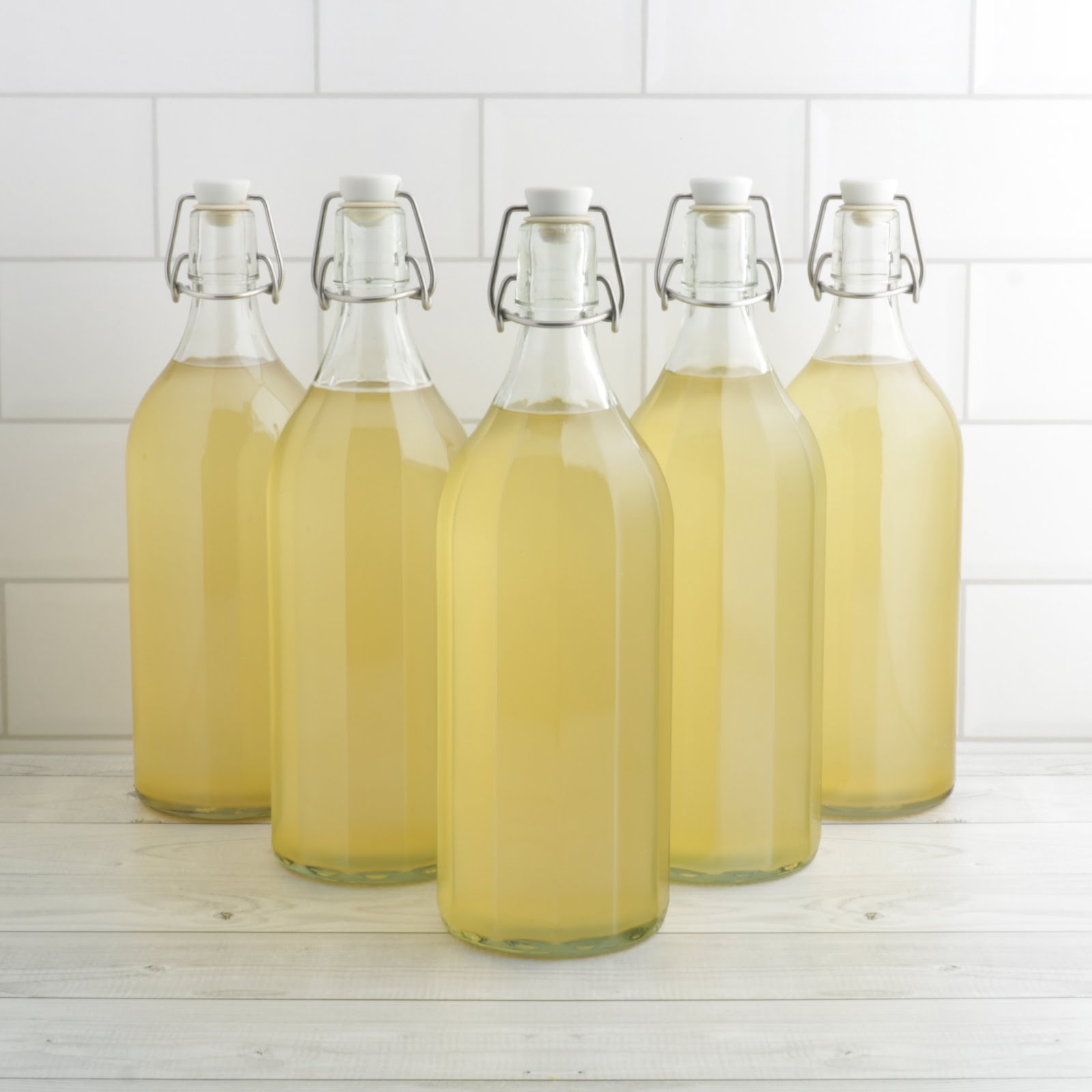
- Swing-top glass bottles or screw-cap lids with good seals.
- Funnel.
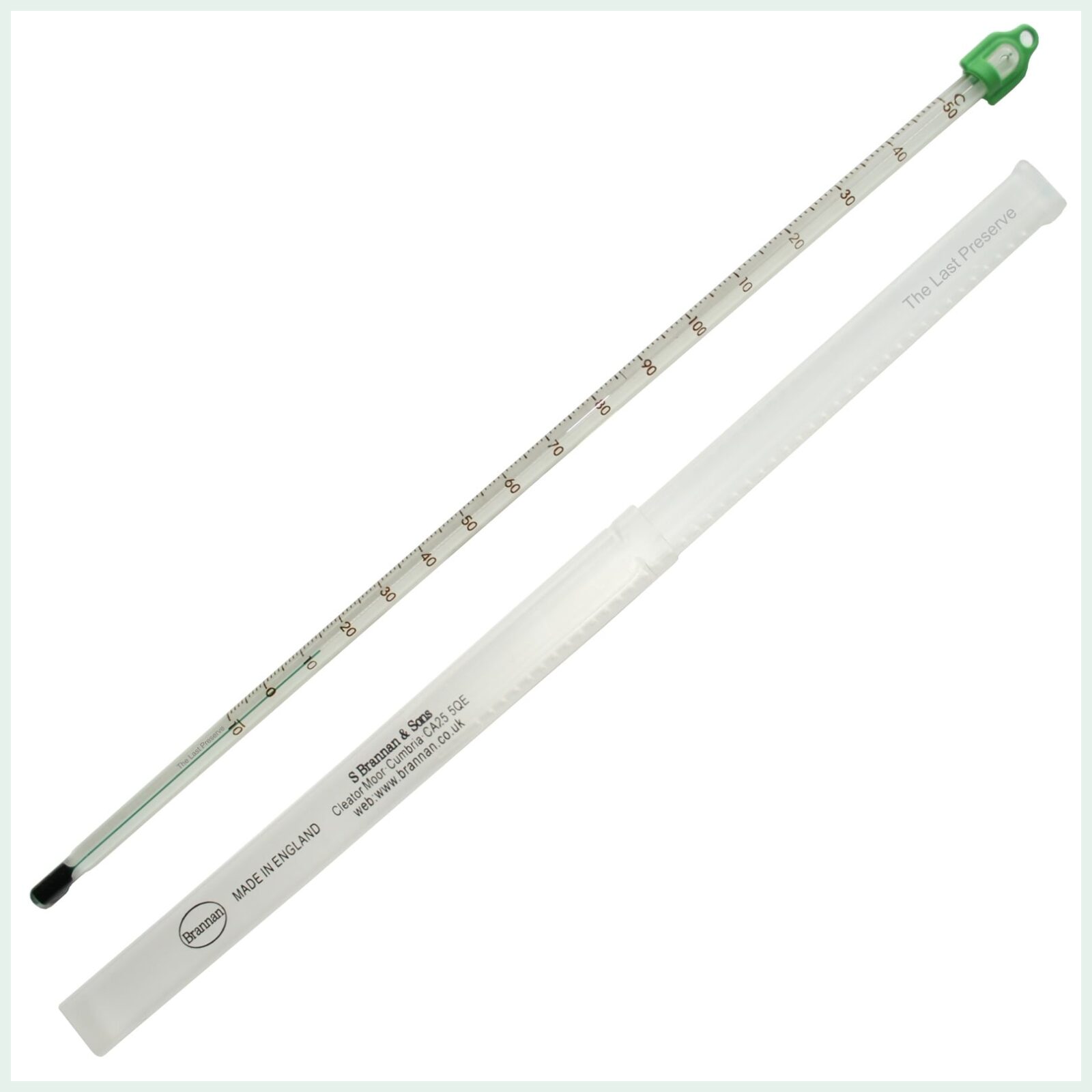
- Long stem thermometer.
Pasteurisation Method
- Sanitise your bottles. Remove the caps and place the bottles in an oven. Bring the oven up to 130oC for 30 mins. When done leave the bottles in the oven to cool.
- While waiting for your bottles to cool sanitise your bottle lids and seals. Simmer them in a pan of water for 30 minutes.
- Place the water bath on a hob. Add the trivet, if you don’t have one of these place a folded tea towel at the bottom of the water bath. Your bottles will sit on top of this.
- Using a funnel fill the bottles with your elderflower cordial. Leave a good bit of headroom as the contents will expand up the bottle necks when heated later on.
- Place the lids back on the bottles very, very loosely so air can escape.
- Place your bottles in the water bath.
- Add enough water to the water bath until it is around 4cm from the rim.
- Switch on your hob and start heating the water bath rapidly. Use a thermometer to periodically check the temperature of the cordial inside the bottles. You need to bring the contents of the bottles to 70–75oC and then hold this temperature for 20 minutes by adjusting the heat. This is much easier than it sounds.
- After 20 minutes at this temperature tighten down all the lids fully. Remove the bottles from the water bath.
- Allow to cool. Now you can enjoy your favourite elderflower cordial all year round!
Available From Our Shop


Thank you for the amazing information.
Elderflower season here in southern Australia. Big batch of cordial from foraged flowers. Thank you so much for sharing your knowledge.
Just used this recipe and it’s delicious, thank you. Does the pasteurised cordial need to be kept in the fridge?
Pasteurised bottles can be stored safely at room temperature, best kept out of direct sunlight though. Once opened the bottles should be stored in your fridge.
I love the stock pot you use on the pic can I ask where you got it?
We used to sell them on here but organising their import from Poland post-Brexit became a massive, expensive, headache unfortunately.
Does the pasteurization affect the health benefits of the cordial?
Using a low temperature pasteurisation helps ensure that the vitamin C content is retained.
Thanks for the instructions. You say to remove the bottle tops to sanitize them separately, but is this possible with the types of bottle used in your photo?
The wire mechanisms are actually really easy to remove. I place the wire and stoppers in a pan of hot water and simmer prior to use making sure they’re still hot when replacing them on the bottles which helps with obtaining a good seal.